
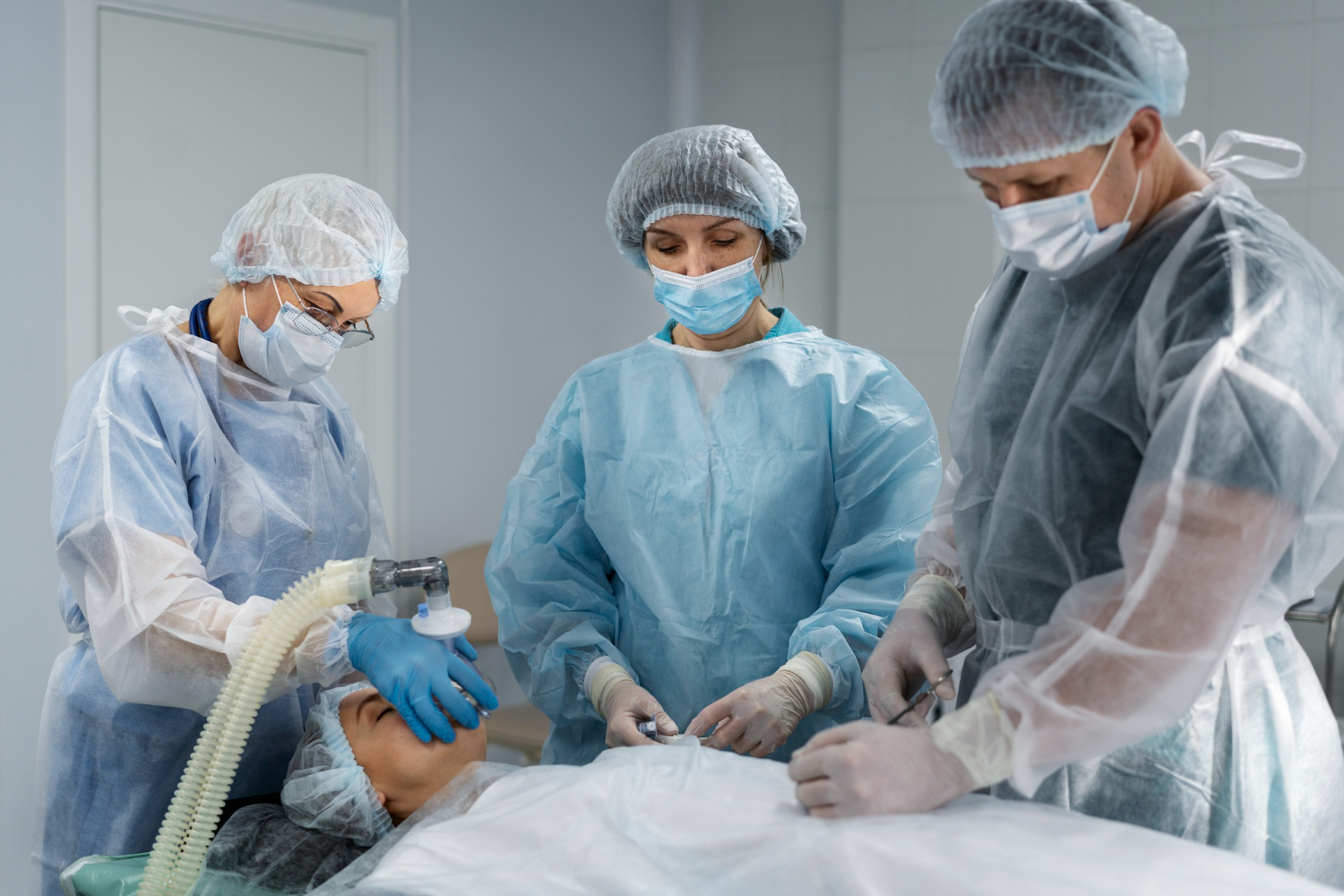
Introduction:
As the COVID-19 pandemic continues to strain healthcare systems worldwide, hospitals face unprecedented challenges in managing critically ill patients and ensuring optimal resource allocation. Anesthesia machines, typically utilized in operating rooms for surgical procedures, represent a valuable asset that can be repurposed to support COVID-19 response efforts. This article aims to inform hospitals on the innovative use of anesthesia machines to enhance patient care and alleviate pressure on overwhelmed healthcare facilities during the pandemic.
Maximizing Anesthesia Machines for COVID-19 Care:
Ventilatory Support for Respiratory Distress:
Anesthesia machines equipped with ventilators can be repurposed to provide life-saving respiratory support for COVID-19 patients experiencing severe respiratory distress. These machines offer a range of ventilation modes and parameters to accommodate diverse patient needs, including volume-controlled ventilation, pressure-controlled ventilation, and positive end-expiratory pressure (PEEP) settings to improve oxygenation.
Emergency Intubation and Airway Management:
Anesthesia machines feature integrated airway management tools, such as endotracheal tubes, laryngeal mask airways (LMAs), and bronchoscopes, which are essential for emergency intubation and airway management in critically ill COVID-19 patients. Anesthesiologists and respiratory therapists can leverage these resources to ensure rapid and efficient airway access, facilitating timely initiation of mechanical ventilation.
Oxygen Therapy and Monitoring:
Anesthesia machines are equipped with oxygen delivery systems and sophisticated monitoring capabilities to assess oxygenation status and respiratory function. Healthcare providers can utilize these features to administer high-flow oxygen therapy, monitor oxygen saturation levels, and titrate oxygen delivery to maintain adequate tissue oxygenation in COVID-19 patients with hypoxemia.
Optimizing Resource Utilization:
Repurposing anesthesia machines for COVID-19 care allows hospitals to optimize resource utilization and expand critical care capacity in response to surges in patient volume. By leveraging existing infrastructure and equipment, healthcare facilities can mitigate equipment shortages, reduce strain on intensive care units (ICUs), and ensure continuity of care for patients with respiratory failure due to COVID-19.
Best Practices for Anesthesia Machine Repurposing:
Ensure Adequate Training: Healthcare providers involved in repurposing anesthesia machines for COVID-19 care should receive comprehensive training on equipment operation, infection control protocols, and emergency airway management techniques to ensure safe and effective utilization.
Implement Standardized Protocols: Establish standardized protocols and guidelines for the repurposing of anesthesia machines, including equipment setup, ventilator settings, patient monitoring, and infection prevention measures, to promote consistency and adherence to best practices.
Monitor Patient Outcomes: Continuously monitor patient outcomes and clinical responses to anesthesia machine-based interventions, including ventilatory support and oxygen therapy, to assess efficacy, identify areas for improvement, and optimize patient care strategies in real time.
Conclusion:
In the face of the COVID-19 pandemic, repurposing anesthesia machines represents a strategic approach to augmenting critical care resources and enhancing patient care capabilities in hospitals. By leveraging the versatility and functionality of anesthesia machines for ventilatory support, airway management, oxygen therapy, and monitoring, healthcare providers can effectively address the respiratory complications associated with severe COVID-19 illness, alleviate strain on healthcare systems, and improve patient outcomes. Through collaborative efforts and innovative solutions, hospitals can harness the full potential of anesthesia machines to navigate the challenges posed by the pandemic and ensure the delivery of high-quality care to patients in need.